


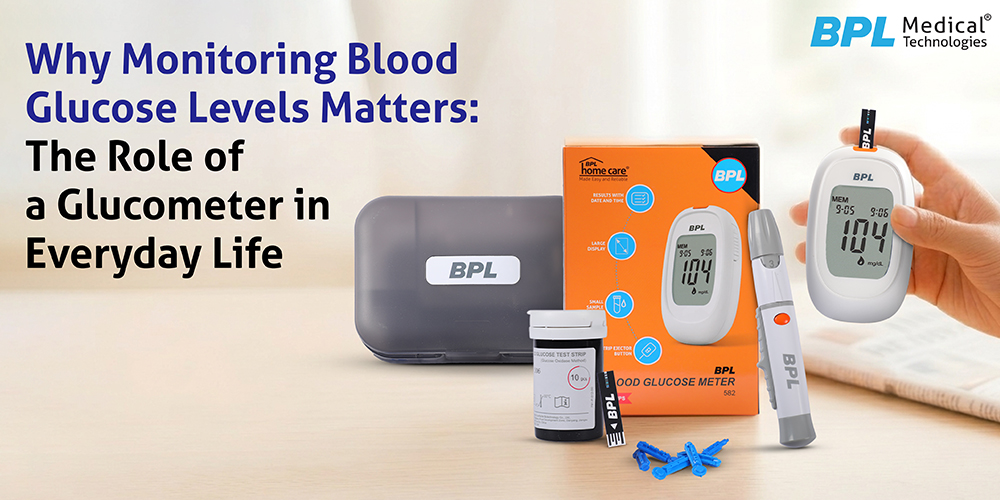
Maintaining healthy blood glucose levels is essential for long-term health and overall well-being. Whether you are living with diabetes, prediabetes, or aiming to improve metabolic health, regular monitoring plays a crucial role. With modern lifestyles, rising stress, and increased consumption of processed foods, blood glucose fluctuations have become more common. Understanding how your body responds to these factors makes a glucometer an important part of everyday health management.
What Is a Glucometer and Its Uses?
A glucometer is a simple, portable device that enables easy monitoring of blood glucose levels at home. Since every individual responds differently to food, exercise, sleep, and stress, self-monitoring helps you understand your unique glucose patterns in daily life.
Regular use of a glucometer helps to:
- Identify sudden glucose fluctuations
- Understand how various foods affect blood glucose levels
- Track the effect of physical activity on glucose levels
- Monitor progress in diabetes management
- Take timely preventive action before complications arise
Even without diabetes, occasional monitoring can help detect early signs of prediabetes and insulin resistance.
When Is the Best Time to Check Blood Glucose Levels?
Timing plays an important role in getting meaningful insights from your readings. Here are the most useful times to monitor your blood glucose:
- Fasting (Before Breakfast): Checked after 8–10 hours of fasting, this helps assess your baseline glucose level.
- Before Meals: Helps understand your pre-meal glucose levels and plan food intake accordingly.
- After Meals (Postprandial- 1–2 hours after eating): Shows how your body responds to specific foods and helps identify glucose spikes.
- Before and After Exercise: Useful to understand how physical activity affects your glucose levels and to prevent sudden drops or spikes.
- Before Bedtime: Ensures your glucose levels are stable overnight.
- When You Feel Unwell or Notice Symptoms: Symptoms like dizziness, fatigue, or sweating may indicate high or low blood glucose and should be checked immediately.
- As Recommended by Your Doctor: Frequency may vary depending on your condition, medications, and health goals.
Consistent monitoring at these times provides a clearer picture of your glucose patterns and helps in better decision-making.
Why Is It Important to Check Blood Glucose Levels Regularly?
Blood glucose levels fluctuate throughout the day based on meals, activity, stress, sleep, and hydration. Regular monitoring, especially at home, provides better visibility and control over your metabolic health.
Here’s why it matters:
1. Early Detection
Prediabetes often has no clear symptoms. Regular blood glucose testing helps detect rising levels early and reduces the risk of complications. Periodic HbA1c test further supports early diagnosis by measuring average blood glucose levels over the past 2–3 months, even when daily readings appear normal.
2. Preventing Health Complications
Consistently high blood glucose can lead to nerve damage, heart disease, kidney issues, and vision problems. Monitoring helps reduce the risk of long-term organ damage.
3. Improved Lifestyle Choices
Tracking your glucose response to different foods helps you make informed dietary decisions and avoid sudden spikes.
4. Personalized Health Insights
Regular monitoring provides individualized data, making it easier to manage hyperglycaemia and hypoglycaemia effectively.
Dealing with High Blood Glucose? Start with These Natural Steps
While medication may be necessary in some cases, lifestyle changes are key to improving blood glucose control:
1. Adopt a Balanced Diet
Focus on whole grains, lean proteins, fibre-rich foods, and healthy fats to maintain stable blood glucose levels. Limit refined sugars, processed carbohydrates, sugary drinks, and fried foods, as they can cause rapid spikes and disrupt control.
2. Stay Physically Active
Did you know even a 20–30-minute walk can help lower blood glucose levels? Regular physical activity improves insulin sensitivity and supports weight management, especially since obesity is a major risk factor for high blood glucose. Simple activities like walking, yoga, or strength training can make a big difference when done consistently.
3. Stay Hydrated
Drinking enough water helps flush excess glucose from the body and supports overall metabolic function.
4. Manage Stress
Stress hormones can raise blood glucose levels. Relaxation techniques like meditation and breathing exercises help maintain balance. Engaging in healthy hobbies such as walking, gardening, reading, listening to music, or yoga can reduce stress and support better long-term glucose control.
5. Get Adequate Sleep
Poor sleep affects hormone balance and insulin function. Aim for 7–8 hours of quality sleep to support healthy metabolism.
6. Track Blood Glucose Levels Consistently
Regular monitoring with a glucometer provides real-time insights, helping you make informed decisions and stay on track with your health goals.
Conclusion
Regular blood glucose monitoring is a powerful tool for managing your health. By understanding your glucose patterns, identifying triggers, and making proactive lifestyle changes, you can reduce risks and build a healthier future one reading at a time.
For reliable and convenient monitoring, choosing a clinically trusted device like BPL Medical Technologies glucometers can support accurate tracking and ease of use at home.
Comments